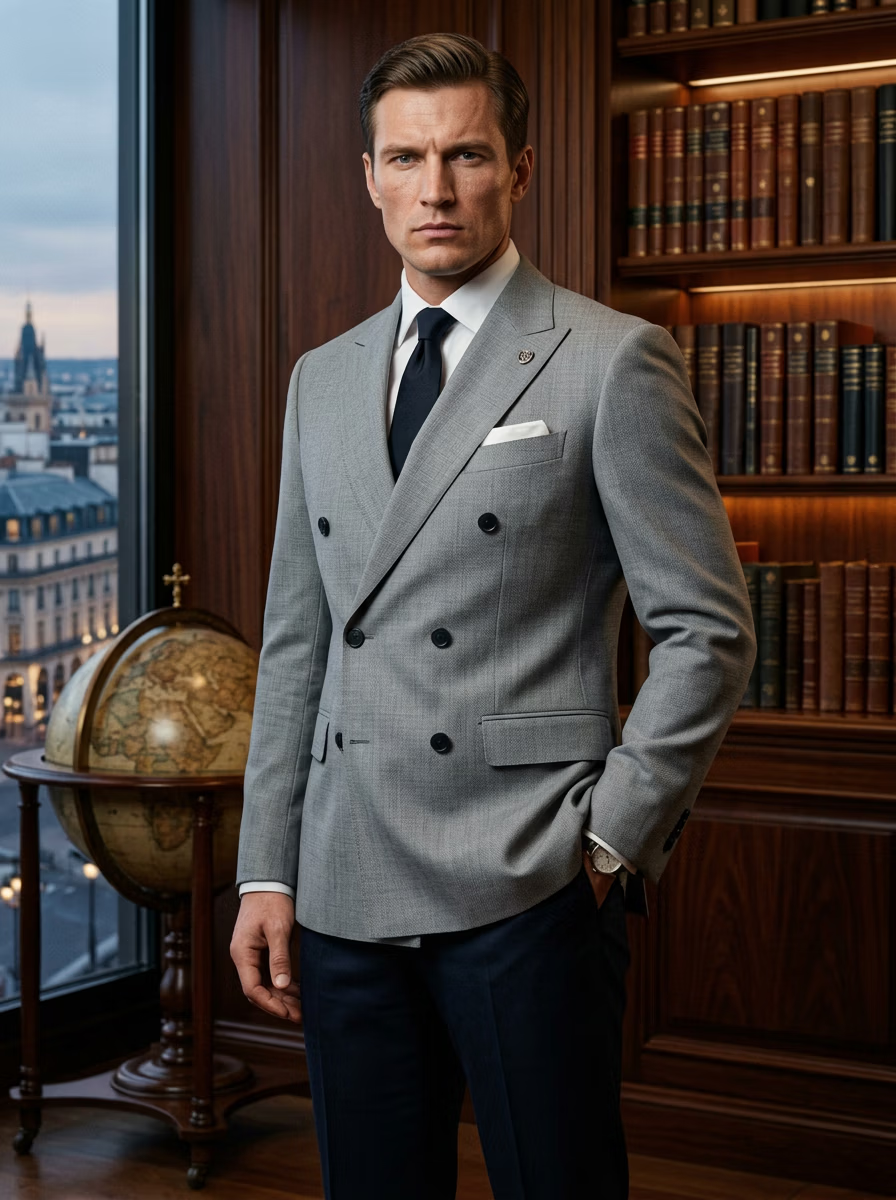
Catalog and product photography
The most common use is replacing routine catalog shoots. Brands turn garment photos into on-model images with an AI model generator, filling product pages without booking models or studios for every drop.
Inclusive and localised representation
AI models let brands show the same garment on different body types, ages and ethnicities — improving inclusivity and letting them localise imagery for each market without separate shoots. This representation often lifts engagement and conversion.
Faster campaigns and try-on
Speed is the other big driver. With AI, brands can:
- Launch campaign photoshoots in hours, not weeks
- Offer virtual try-on on product pages
- Test multiple looks and models cheaply
- Keep a consistent brand face across the catalog
What it means for smaller brands
AI models level the field: a boutique can now produce imagery that rivals a major label's. See how small sellers do it in our best AI tools for clothing brands guide, or view real output in the gallery.
Ready to create on-model photos?
Upload a garment and let VERA generate photorealistic AI fashion model shots in seconds — no studio, model, or photographer.
Frequently Asked Questions
Are AI models replacing human models?
For routine catalog and ecommerce imagery, increasingly yes; human models remain common for flagship campaigns and brand storytelling.
Is it ethical and legal?
AI models aren't real people, so there are no model releases; brands should still represent products accurately, which VERA does by preserving the real garment.
Do customers mind AI imagery?
When imagery is photorealistic and accurate, shoppers focus on the product; accuracy and fit matter more than how the image was made.
Can small brands afford this?
Yes — AI models cost a fraction of traditional shoots, putting professional imagery within reach of boutiques and new labels.